What’s on the final exam of our lives? Conan Rainwater, SJ, reflects on how Christ the King calls us to remain close to the world’s poor and suffering as our ultimate test of love for him. Based on the readings for the The Solemnity of Our Lord Jesus Christ, King of the Universe.
A National Fast: Returning to God at the End of Lent
A “National Fast” once helped our nation through struggle. In his first for TJP, Alvaro Pacheco, SJ explores what such a fast could look like for us in our times—both at the end of this Lent and beyond.
A Just Dinner Plate: Counting the Total Cost of Animal Agriculture
The price of meat may be a few dollars—but the true cost is far greater. Daniel Mascarenhas, SJ examines the hidden environmental, human, and animal harms of animal agriculture and explores what justice demands of a Catholic dinner plate.
A Spirituality of Baseball
Celebrate the start to a new season by enjoying some spiritual insights inspired by God’s favorite sport!
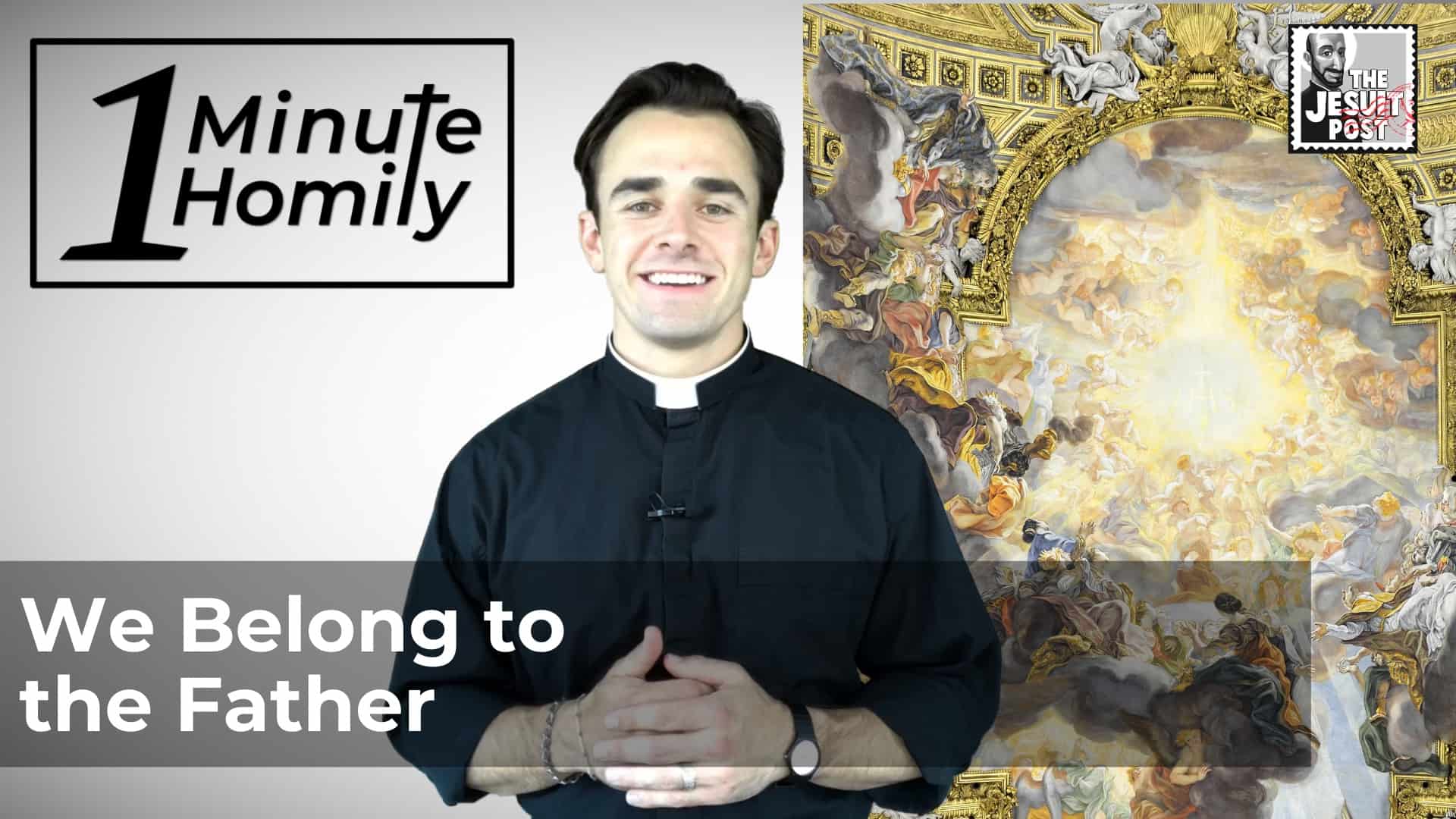
We Belong to the Father | One-Minute Homily
Who do we belong to? Hunter D’Armond, SJ, reflects on Jesus’ message that we don’t belong to the world.
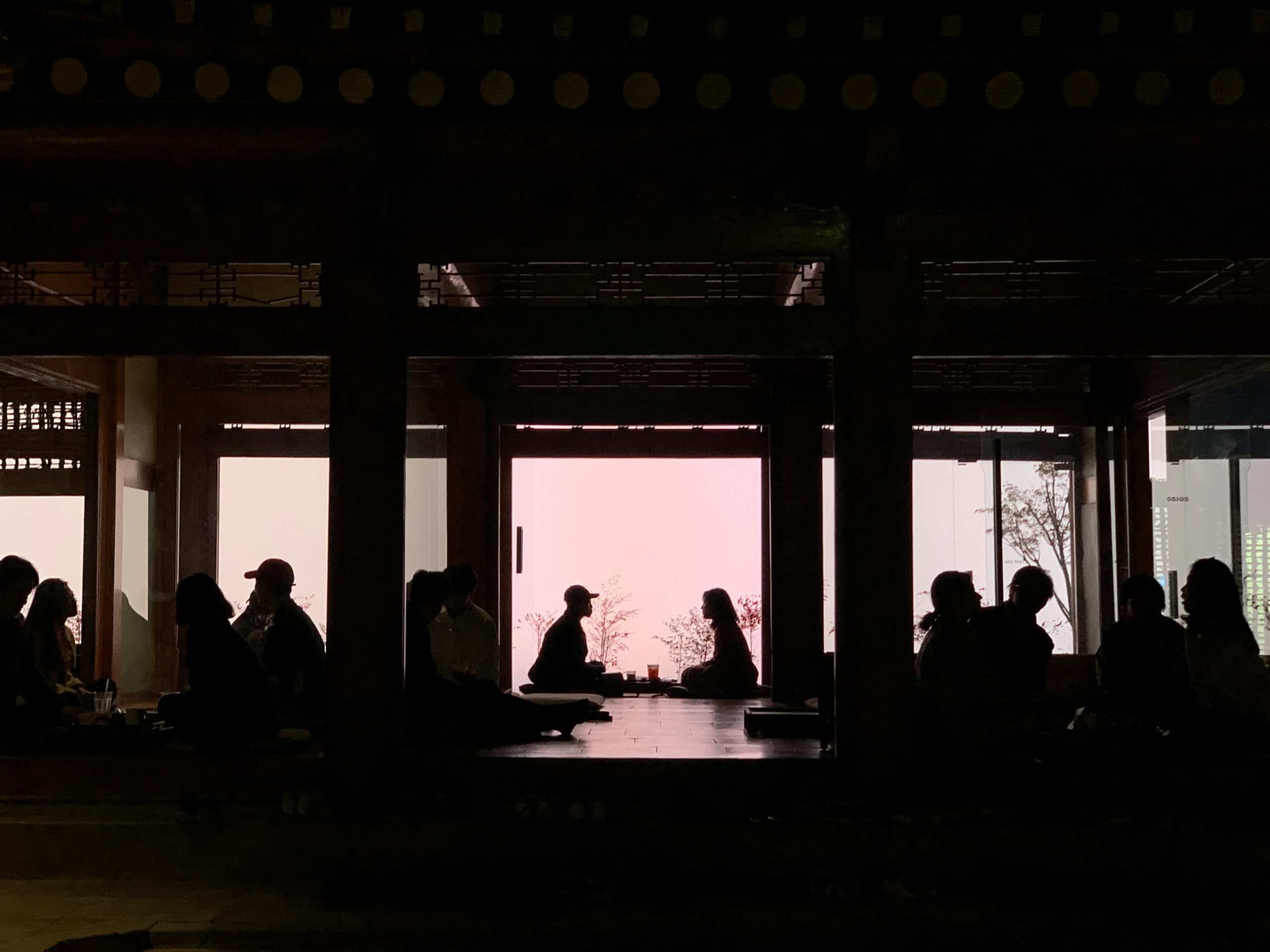
Listening to “Others,” or What I Learned From a Language Exchange
At the beginning of Asian American and Pacific Islander Heritage Month, Andrew Milewski, S.J. reflects on how a language exchange turned into a place of encounter and friendship. In this place of encounter, he wrestles with how to pray and have solidarity with the diverse Asian-American community and his friends who are a part of that group.
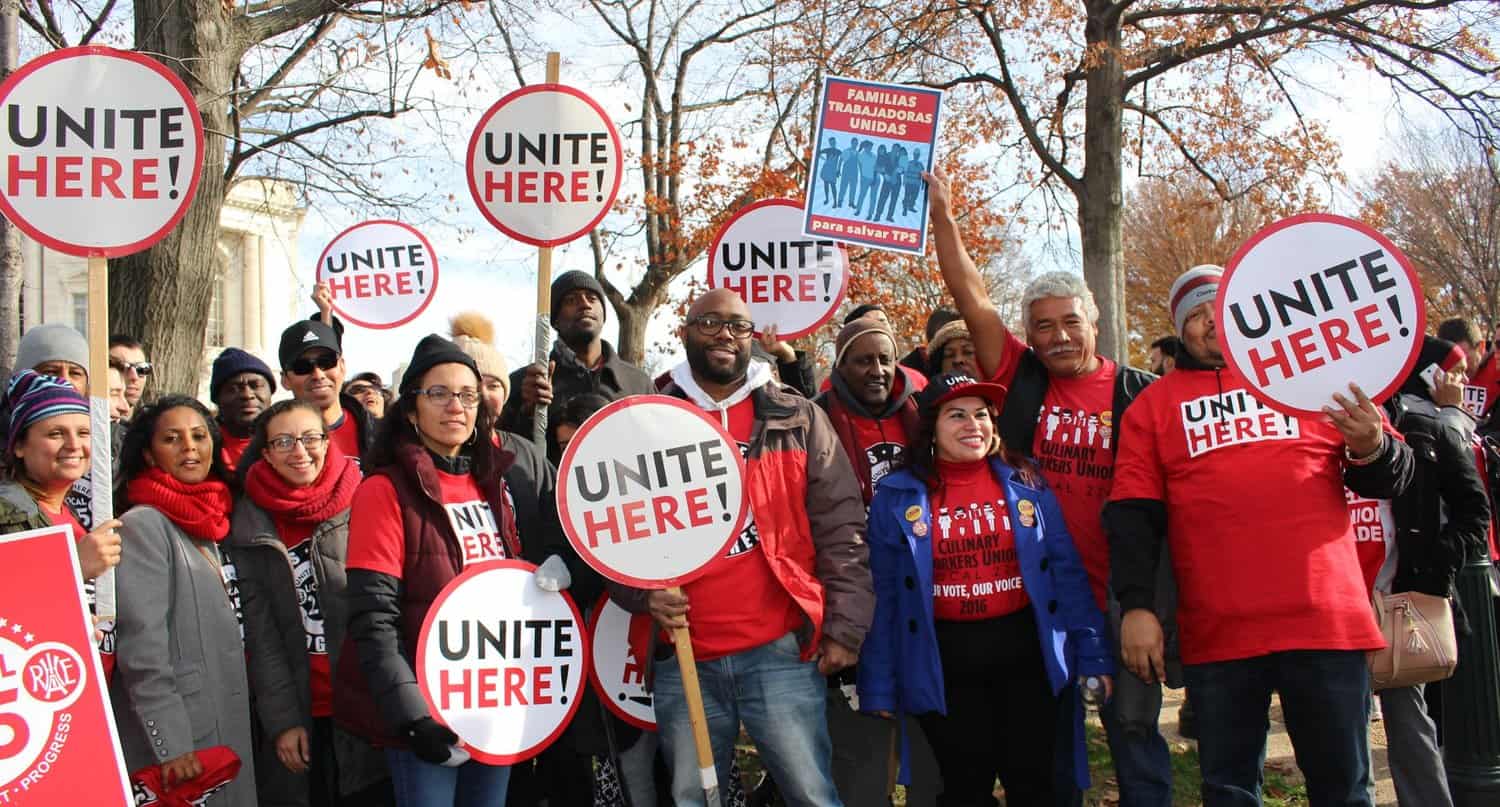
On May Day: The Enduring Importance of Labor Unions
The struggle for worker justice isn’t just a thing of the past.
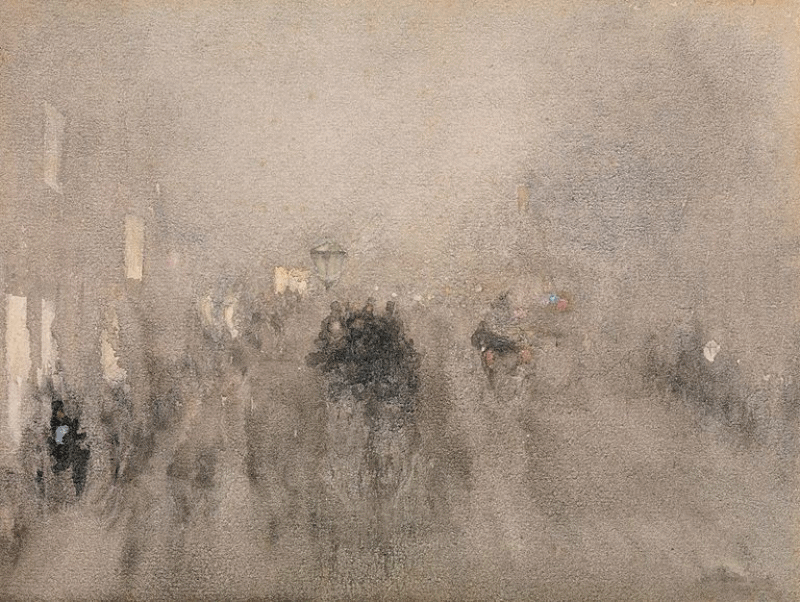
“The Point” of Dr. Jekyll and Mr. Hyde
“The Strange Case of Dr. Jekyll and Mr. Hyde” by Robert Louis Stevenson was published 135 years ago and its big reveal is well-known. Why read something when we already know the ending – the overall message? This entry in “Fantasy, Fiction, and Faith” addresses this as well as what Jekyll and Hyde can teach us about recognizing friendship, responsibility, and the nature of God’s love.

Going Back to Normal Can’t Be Going Back to How Things Were
With all that’s happened in the past year, going back to normal can’t be a return to the way things were. That’s because the way things were wasn’t good enough. Everything looks different. Everything is saturated with a familiar unknown, and nothing has its place just yet. I need to be alert, to note how this newness feels, to take advantage of the ensuing energy.

The Fishing Industry Has Rendered Most Mass Fish Consumption Unethical
Catholics are called to care for creation and the marginalized. How does eating fish fit into this exhortation?