
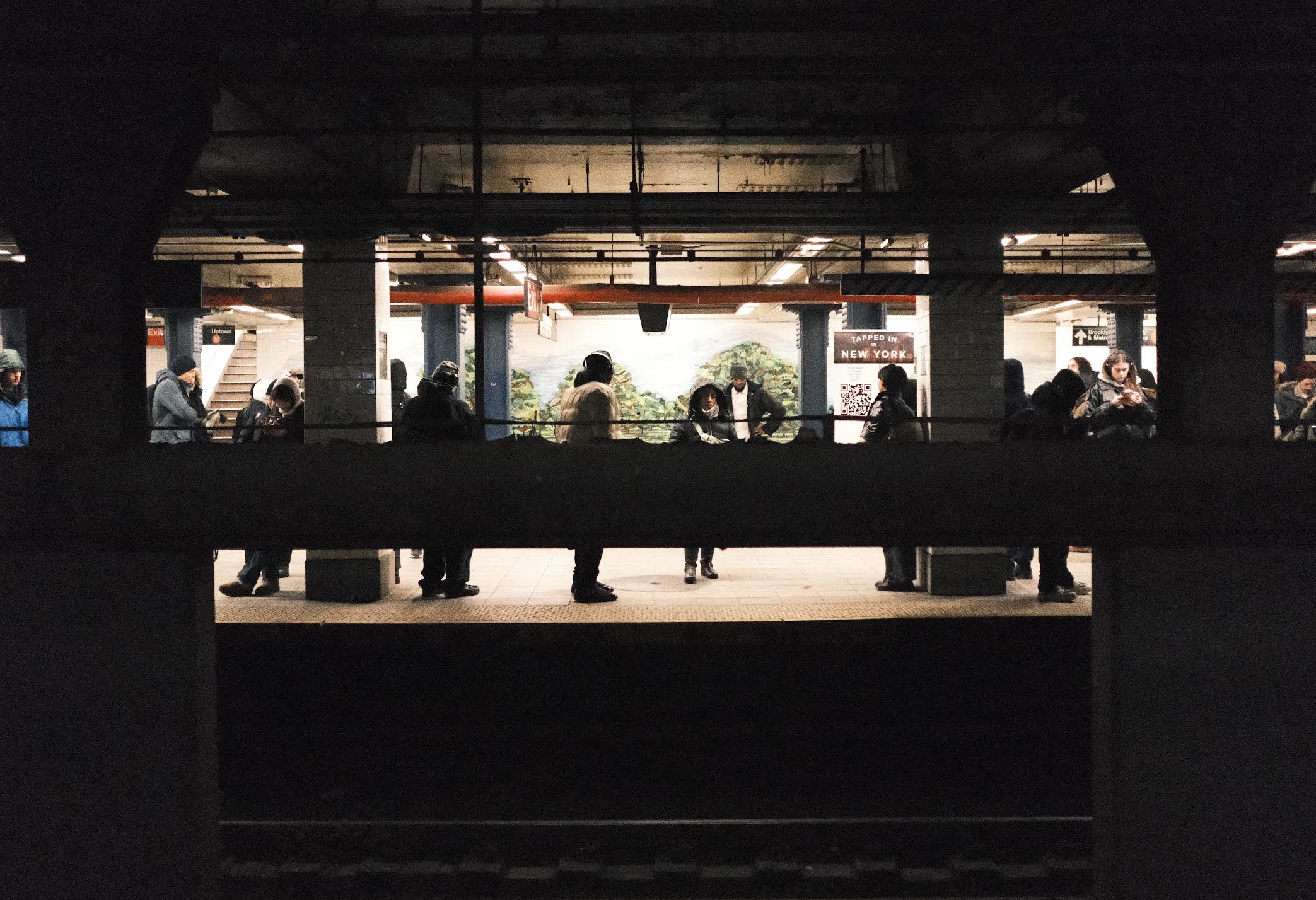
In August Pope Leo XIV asked the Church to pray for evangelization in the city, that in large cities, often marked by anonymity and loneliness, we find new ways to proclaim the Gospel, discovering creative paths to build community.
“For Christ plays in ten thousand places,” writes 19th-century Jesuit poet Gerard Manley Hopkins, “Lovely in limbs, and lovely in eyes not his/To the Father through the feature of men’s faces.”
Had Hopkins heard Pope Leo’s August prayer intention, I imagine he would have brought to prayer this rich line from As Kingfishers Catch Fire. The recognition of Christ’s expansive, incarnate presence, particularly in human persons, provides a lens that transforms the city, appearing initially insane, frenzied, and unrelenting, into fertile ground for evangelization. Not evangelization of the city but evangelization in it. In his wisdom, the Holy Father invites us not to crusade against the city but to open our hearts to it, so that evangelization both to me and through me might take place.
Evangelized by Christ in the City
I grew up in the suburbs of St. Louis – used to grassy fenced backyards; private driveway hoops; and generally unobtrusive neighbors – so the Concrete Jungle, the City that Never Sleeps, is not my ideal habitat. New York City can be a terrifying place for a small-city boy.
Once I waved “thanks” to a man who stopped for me at a crosswalk. He yelled at me: “Do you think you’re God or something?!” I don’t wave much anymore. Just last week, another racially charged argument between women at my apostolic site. I want to disengage myself. What’s the point if reconciliation never happens? And just today I again apathetically pass a person asking for my help. I fail to even pause to dignify him. He doesn’t exist to me. What has happened to my heart?
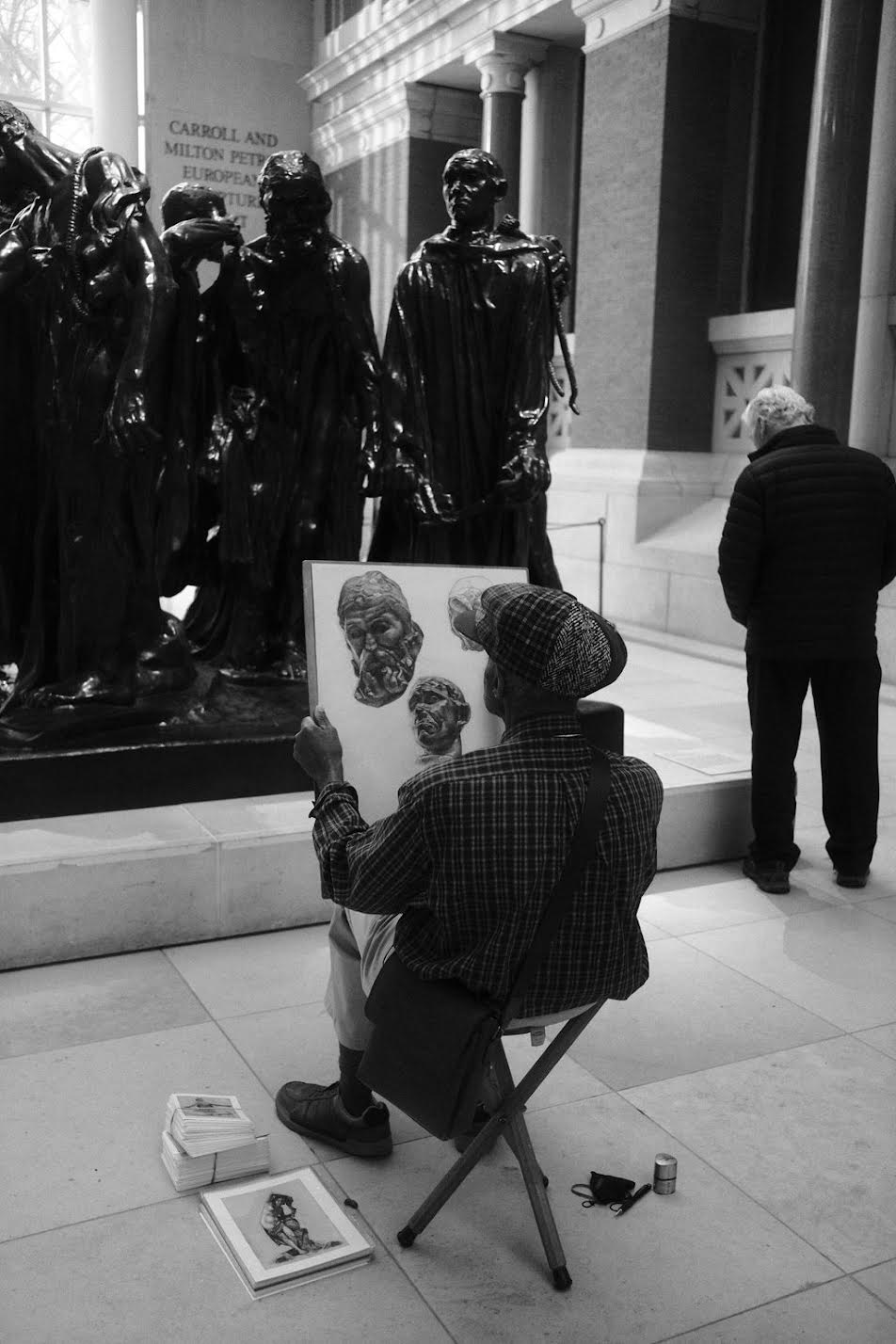 Cities are naturally places of discomfort and tension. They are places of constant contact. They force me out of my self-referential tendencies and into the messy, human reality of the other. They demand that I feel “sonder,” that is, that I realize in my guts that every single life – of all 9 million New Yorkers – is as meaningful and complex as my own. I wonder, then, who is that man in the car? Who are those quarreling women? What is that person seeking?
Hopkins invites us to see the city – all of it – and find Christ. As I settled into my new home, the cacophony of urban life faded into my subconscious and signs of Divine Life emerged: staff members who serve tirelessly to bring fresh produce to communities blighted by food apartheid; families, chosen and unchosen, escaping cramped quarters with evening sidewalk cookouts; Yaya, Rashaun, Kamili and Andy who have welcomed me intimately into their lives and invited me to welcome them into mine.
It seems that in the city, first I am the one who needs evangelization. My own heart must be converted to see Christ playing in His ten-thousand places. I must learn to see in the faces of others the lovely, not burdensome, faces of Christ.
Evangelizing in the City
Historically cities develop along trade routes or natural harbors. They are crossroads created because people recognize, consciously or not, that only together can we meet each other’s needs.
This is why St. Ignatius sought the most centrally urban places for early Jesuit works. “Preference ought to be shown … to important cities,” he writes in the Constitutions of the Society of Jesus, “which are generally attended by numerous persons who, if aided themselves, can become laborers for the help of others” (Constitutions, 622). Ignatius’s logic is the logic of Jesus, who goes “to the other towns,” to the people instead of waiting for them to come to Him (Luke 4:43).
These cities are places of extremes and paradoxes. Overshadowed by billion-dollar high rises, the homeless beg for a living. Only a few miles from Wall Street’s Charging Bull, forty percent of a neighborhood lives in poverty. Amidst constant crushing crowds, people remain unnoticed and ignored. Loneliness and anonymity abound.
In his monthly video, Pope Leo offers a model for evangelization in the city: an evangelization shown in word and deed through gentle, patient, and persistent love, which disarms our tendency toward frenzied competition. This kind of evangelist does not reject the city but enters it, like the Three Divine Persons who, looking at all the world, determine that the Second Person shall enter it by becoming man (Spiritual Exercises, Meditation on the Incarnation). This evangelist recognizes that the noise, haste, and chaos of a city is merely an amplification of the noise, haste, and chaos of millions of individual lives, my own included, each meaningful and complex.
The Evil Spirit’s best trick is to convince urban evangelists that “I’m too busy; the problem is too big; I’m too small; everyone else does it,” so that Christ remains unseen and unnoticed. One is never too busy, no problem is too big, I am never too small, another’s indifference is never excuse enough to ignore God’s invitation to love. The challenge, then, is to foster an ever-open heart that can hold all the city, as God does, and amidst it discern God’s invitation to act.
Let us continue to pray with Pope Leo for evangelization in the city, that first we might be evangelized by Christ in the city. Then that at these crossroads we might see one another not as competitors, but as companions and co-laborers, as bearers of the lovely face of Christ.
-//-
Photos: Margaret Gillam, @margaretgillamphotos. Used with permission.